
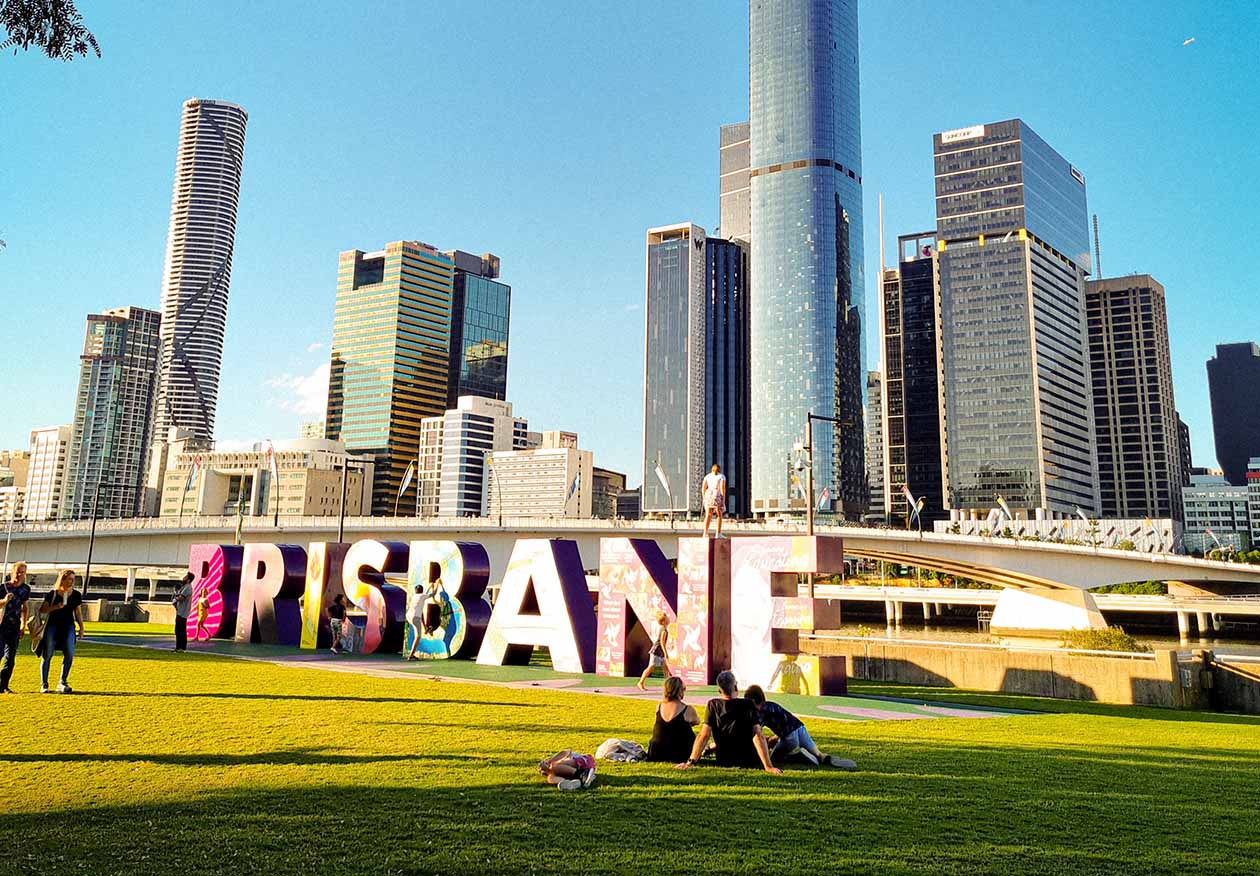
Brisbane, the vibrant capital city of Queensland, Australia, is a bustling metropolis filled with world-class attractions, picturesque natural landscapes, and a thriving cultural scene. As the gateway to both the Gold Coast and Sunshine Coast, Brisbane offers visitors an exciting blend of city life, outdoor adventures, and idyllic beach escapes. In this guide we’ll cover a variety of topics including how to get to Brisbane, the best time to visit, the top things to do, the best places to stay, where to eat and drink, how to get around, and how to stay safe – ensuring you experience the very best of what this city has to offer.
How to get to Brisbane
Brisbane, a well-connected city, offers seamless accessibility by air, road, and rail. Whether you’re traveling to Brisbane domestically or internationally, there’s an array of convenient options to suit your travel preferences. With a bustling airport, extensive highway networks, and efficient train services, reaching Brisbane is a hassle-free experience for visitors coming from near or far. Let’s dig in to the options:
Flying to Brisbane
Brisbane Airport (BNE) is the primary international and domestic gateway to the city. Located approximately 14 kilometers northeast of the city center, the airport serves numerous flights from around the world, as well as major cities within Australia. Major airlines such as Qantas, Virgin Australia, Singapore Airlines, Emirates, and Cathay Pacific operate flights to Brisbane.
To get from the airport to the city center, you can choose from several options, including the Airtrain, taxi, ridesharing services like Uber, or shuttle buses. The Airtrain is the most convenient and cost-effective option, with a one-way ticket priced at around $18 AUD and a journey time of around 20 minutes. You can book your tickets in advance online (they even throw in a slight discount for doing so).
Pro tip: Fly into the Gold Coast Airport (OOL) located only about a 1 hour drive down the M1 motorway in Coolangatta and experience the world-famous beaches of “Coolie” before you make your way up to Brisbane. We’d recommend staying a night or 2 around the Greenmount Beach area which is central to just about everything you need to experience in Coolie and only a 7 minute drive from the airport.
Driving to Brisbane
If you’re traveling from other parts of Australia, you can reach Brisbane by car or bus. Major highways like the Pacific Motorway (M1) connect Brisbane to the Gold Coast, while the Bruce Highway (M3) links the city to the Sunshine Coast and other destinations to the north.
Long-distance bus services such as Greyhound and Premier Motor Service operate routes to Brisbane from various locations across the country. These buses arrive at the Brisbane Coach Terminal, located in the heart of the city at Roma Street.
If you’re planning a road trip don’t forget to check out our Australian road trip packing essentials that we’ve put together that’ll help make it a comfortable journey.
Catching the train to Brisbane
Queensland Rail operates train services to Brisbane from various cities and regional towns within the state, including the Gold Coast, Sunshine Coast, and Cairns. The main train station in Brisbane is the Roma Street Station, which is centrally located and easily accessible.
Interstate train services are also available, with the NSW TrainLink XPT service connecting Brisbane to Sydney and the Spirit of Queensland connecting Brisbane to Cairns. These trains offer a comfortable and scenic way to travel, with various classes and amenities available to suit your needs.
The best time to visit Brisbane
Brisbane, with its subtropical climate, boasts around 280 days of sunshine each year and never really gets cold. Daytime temperatures even in July, the city’s coldest month, range from 11-23°C (52-73°F). However, this part of Queensland can get quite humid, and during the height of the Australian summer (December to February), the city can become uncomfortably sticky with occasional thunderstorms at the end of the day.
That said, the busy season in Brisbane is during the cooler and drier months. This is when most significant events are scheduled, and it’s the most comfortable time to be in town while still being warm enough to swim and enjoy the sun. The main thing to watch when choosing a time to visit is the Australian school calendar. In Brisbane, school holidays bring a massive increase in visitor numbers as families flock to the sunshine state with their kids.
We break down the high, shoulder, and low seasons as well as provide a month-by-month analysis of what’s going on in Brisbane in our Best time to visit Brisbane write-up that we recommend checking out if you’re looking for more insight.
Top things to do in Brisbane
With its abundance of world-class hiking trails, mesmerizing lookouts boasting awe-inspiring views, exceptional art galleries showcasing creative masterpieces, and lively music venues hosting the hottest acts, Brisbane offers a rich tapestry of experiences that promise to delight and entertain. Join us as we cover some of the top things to do in Brisbane.
Explore the breathtaking hiking trails around Brisbane
Experience the natural beauty surrounding Brisbane by venturing out on one of the many picturesque hiking trails. Get started with a few of our favorites, such as the iconic Summit Track at Mt Coot-tha, the awe-inspiring Glasshouse Mountains, or the serene Kondalilla Falls National Park. These are just a taste of what the region has to offer. Discover more amazing locations in our comprehensive guide to the Top 10 Must-Visit Hiking Spots Near Brisbane, and start planning your next adventure.
Have a picnic under the Jacarandas at New Farm Park
Ehis 15-hectare public park boasts 146 Jacaranda trees and 250 varieties of roses, providing a picturesque backdrop for a relaxing outdoor gathering. With amenities such as electric bbq facilities and shaded areas, it’s the perfect place to spend a lazy afternoon with friends or family. Located next to the Powerhouse Museum, New Farm Park is a must-visit destination in Brisbane. Pro tip – Get here around October (sometimes earlier) to see the Jacarandas bloom! If you’d prefer to check out the park from the water (plus several other hotspots) we recommend jumping on this River Cruise with lunch instead.
Spend a lazy afternoon at the South Bank Parklands
South Bank Parklands are a sprawling green space that’s home to a man-made beach, several swimming pools, and a variety of restaurants and cafes. Take a dip in the lagoon, jump on a segway tour, or simply relax with a cold drink and watch the world go by.
Spend the day exploring nearby North Stradbroke Island
The island is home to some of the best surfing beaches in Australia, and is the perfect place to spot whales, dolphins and turtles. Take a scenic drive around the island, hike to the top of Point Lookout for stunning views, or simply relax on one of the many secluded beaches. Our tip – jump on a North Stadbroke Island Day Trip from Brisbane that covers all of the highlights!
Visit the Gallery of Modern Art in South Bank
Explore the ever-changing exhibitions and installations at The Gallery of Modern Art in South Bank. GOMA is home to one of the largest collections of contemporary art in Australia, and is a must-visit for art lovers.
Looking for more great things to do around Brisbane? We’ve put together a list of the top things to do in and around Brisbane that we recommend checking out!
The best places to stay in Brisbane
To help you find the perfect area to stay during your visit, we’ve compiled a list of top spots with associated top hotel picks. Each area has its unique charm, so choose based on your preferences and interests. Here’s our shortlist:
Southbank
Located just across the river from the CBD, Southbank is known for its art galleries, museums, and the famous beach and parklands. In addition to its vibrant dining and nightlife scene, Southbank provides excellent public transportation options, making it a convenient choice for visitors.
Pros – Rich in cultural attractions, Southbank offers easy access to art galleries, museums, and a vibrant dining scene. Enjoy the riverside location and excellent public transportation options.
Cons – Limited budget accommodations.
Top picks – Mantra South Bank, Rydges South Bank, Emporium Hotel South Bank.
Fortitude Valley
Just north of the CBD, Fortitude Valley offers a unique shopping experience, particularly for those seeking alternative vendors and local boutiques. The neighborhood is also home to Chinatown and a bustling nightlife scene, including clubs, DJ sets, and alternative venues.
Pros – Excellent shopping, dining, and nightlife options.
Cons – Eclectic accommodations require careful research.
Top picks – Ovolo The Valley, The Constance Fortitude Valley, Calile Hotel.
Central Business District (CBD)
As the historic center of Brisbane, the CBD features museums, monuments, and fine dining restaurants catering to the city’s business crowd. Its central location provides easy access to main attractions and shopping malls, making it an ideal choice for first-time visitors.
Pros – Easy access to attractions, dining, and shopping.
Cons – Accommodations may be pricier during the week.
Top picks – Arise Brisbane Skytower, Oaks Brisbane, Ibis Styles.
New Farm
New Farm is a local favorite, known for its outdoor activities, hiking and cycling trails, and vast green spaces. The crown jewel is New Farm Park, featuring picnic spots and beautiful city views. The neighborhood is also home to The Powerhouse, Brisbane’s premier entertainment venue.
Pros – Ideal for nature lovers and outdoor enthusiasts.
Cons – Upmarket area with higher accommodation prices, further from the city center.
Top Picks – Spicers Balfour Hotel, Heal House.
If you’d prefer to have a look for Brisbane accomodation yourself, we recommend using Expedia for the best prices and customer service. You can search using the form below:
Where to eat and drink in Brisbane
Brisbane has an abundance of culinary treasures waiting to be explored. If you’re looking for where to eat in Brisbane, you’re in for a treat. We’ve curated a list of the must-try restaurants, featuring everything from modern Thai and Middle Eastern cuisine to intimate omakase experiences and Mediterranean delights.
Same Same: Fortitude Valley
Located in the fashionable Ada Lane, Same Same is the stylish reincarnation of the beloved Longtime. With a separate Thai-inspired bar and a modern atmosphere, this restaurant serves up your favorite Thai dishes with an edgy twist. Don’t miss the soft shell crab bao, grilled prawns in curry butter, and the unmissable twice-cooked lamb shank massaman curry.

Gerard’s Bistro: Fortitude Valley
Gerard’s Bistro is a household name among Brisbane food enthusiasts. Led by Executive Chef Adam Wolfers, this Middle Eastern bistro presents an ever-changing menu of shareable dishes packed with flavor, complemented by their exceptional house-made breads.

Essa: Fortitude Valley
Essa, a creation of Gauge’s ex-head chef, offers a cozy ambiance perfect for date nights. The restaurant champions local farmers and providers, showcasing seasonal produce in delectable main dishes. Be sure to save room for their signature Jerusalem artichoke cream bun for dessert.

Rogue Bistro: Newstead
Hidden in a semi-industrial area, Rogue Bistro is a secret gem featuring a creative six-course degustation menu that changes monthly. They cater to plant-based, pescatarian, and GF/DF diets, ensuring nobody misses out on this incredible dining experience.

OTTO: South Bank
For a taste of Italy, head to OTTO. Pair their fresh, seasonal Italian dishes with exquisite Australian wines and enjoy breathtaking views from one of Brisbane’s best restaurants. The Osteria menu also offers smaller plates and snacks for a more casual dining option.

Looking for more great places to eat and drink around Brisbane? Our authors are currently working on a top 20 places to eat and drink around Brisbane so stay tuned in the coming days/weeks for that write-up!
How to get around Brisbane
Brisbane boasts a comprehensive and user-friendly transport system that enables easy exploration without a car. TransLink manages buses, trains, and ferries across the city, with the majority of attractions situated in Zone 1. For one-off trips, single-ride tickets can be obtained from vending machines. Staying longer? Consider purchasing a Go Card, available at station ticket machines, 7-Eleven stores, and newsagents, as it covers all zones and offers significant savings.
For picturesque river travel, choose between the larger and faster CityCat catamarans or the free, smaller CityHopper ferries. Walking and cycling are ideal for discovering individual areas, thanks to pedestrian bridges and dedicated cycling trails. The Brisbane City Council’s online map highlights bike routes, repair shops, and water fountains. E-bikes and e-scooters can be rented through Neuron Mobility and Beam, while Riverlife provides traditional bikes for longer journeys.
Frequent bus services cover the entire city, with NightLink services operating on weekends for late-night travelers. Suburban train lines connect the CBD to Fortitude Valley, and some lines also serve South Brisbane and South Bank stations. Taxis and ride-sharing options, such as Uber, DiDi, Ola, and Shebah, are available for added convenience. Most public transport facilities are accessible for travelers with disabilities, but note that CityHopper ferries are an exception.
How to stay safe in Brisbane
Brisbane is a generally safe city, but it’s essential to stay cautious and follow common-sense practices. Be alert and use reputable transport options while adhering to local road safety rules, such as driving on the left side of the road. Also, stay hydrated and sun-protected during your visit. Remember to swim in designated areas between red and yellow flags for safety. Keep emergency contacts handy and stay informed about local events and weather conditions to avoid potential risks, ensuring a pleasant trip.


